Introduction
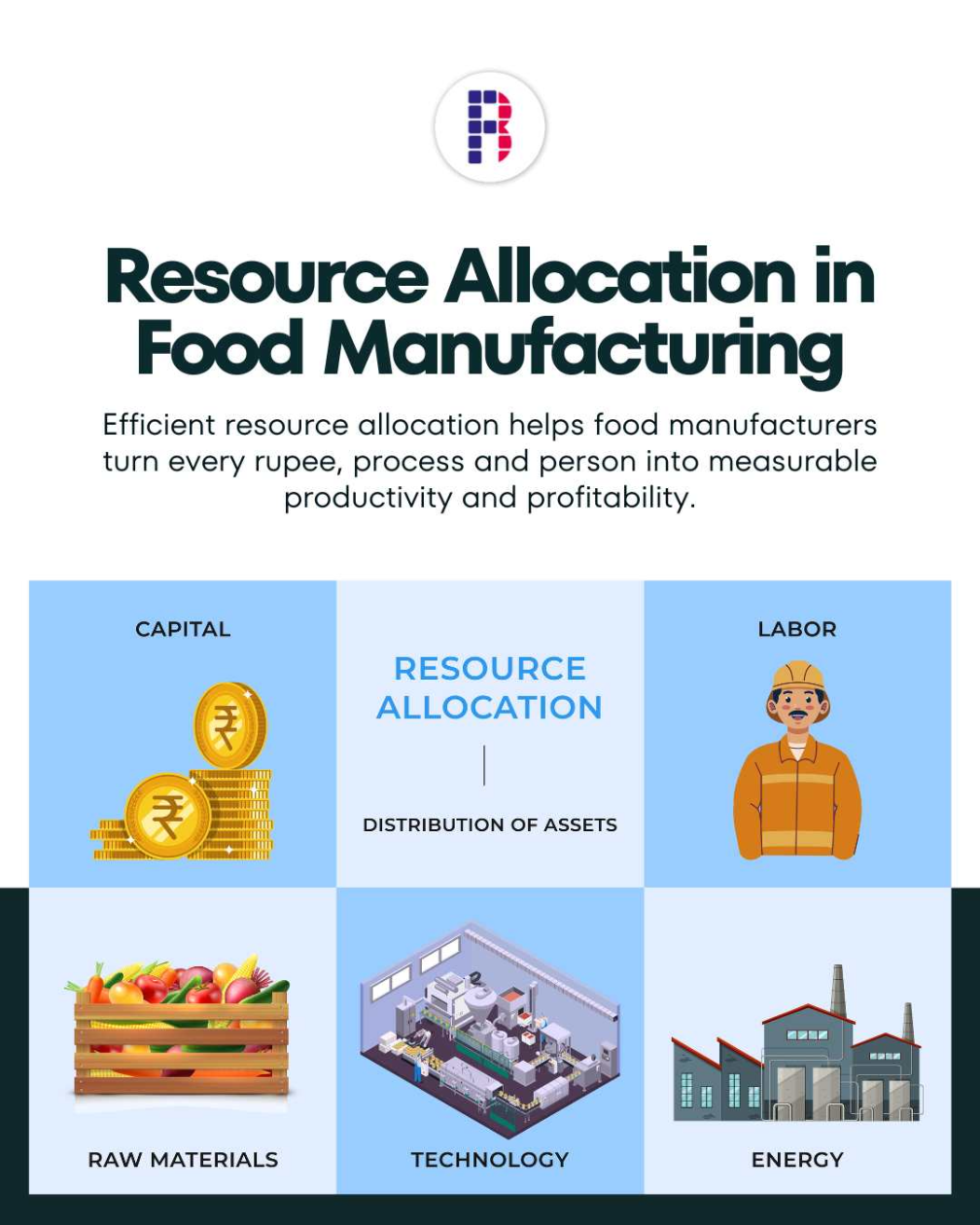
In food manufacturing, every decision about how time, money, and effort are used determines the strength of the business. Resource allocation, in this context, means how a company distributes its assets—capital, labor, raw materials, technology, and energy—to achieve efficiency and profitability.
For mid-sized food manufacturers, this process is both a daily necessity and a long-term strategy. These businesses are large enough to manage complex supply chains and compliance systems, yet lean enough to feel the impact of each cost fluctuation or production delay. Rising raw material prices, the cost of compliance, and the need for sustainable operations make smart resource allocation central to survival and growth.
Optimizing resources is not just a matter of saving money. It drives consistency, productivity, and competitiveness, helping mid-sized players thrive even when market conditions shift unpredictably.
Understanding Resource Allocation in Food Manufacturing
Raw materials and ingredients form the backbone of product quality. Sourcing reliable, traceable materials at the right cost ensures stability in both supply and brand reputation. Labor represents the human skill and attention behind every process. Well-trained and motivated workers bring reliability, while skill gaps or absenteeism can disrupt entire shifts.
Machinery and equipment dictate how efficiently production lines operate. Preventive maintenance, proper calibration, and timely upgrades keep downtime minimal. Energy and utilities add another layer of cost and responsibility. Tracking consumption and adopting efficient systems not only save money but also support sustainability goals.
Time ties everything together. Efficient scheduling ensures that materials, manpower, and machines work in sync, minimizing idle periods and maximizing throughput. When these resources are carefully planned and aligned, production runs smoother, costs reduce, and output remains consistent in both volume and quality.
Common Challenges for Mid-Sized Food Manufacturers
Mid-sized food producers often stand at the crossroads of opportunity and constraint. They face fluctuating raw material prices and supply disruptions, limited automation or data visibility, and increasing demands for compliance and traceability.
Inventory control is another recurring challenge. Overstocking blocks working capital, while shortages can lead to missed deliveries. Workforce management requires balancing training, retention, and productivity, especially when skilled labor is scarce.
The push toward sustainability and energy efficiency also demands upfront investment. Many companies hesitate to modernize systems or introduce digital tools because of perceived costs, even though these steps often pay for themselves through long-term savings and reliability.
Recognizing these challenges is the first step toward efficient resource planning and smarter allocation.
Best practices in Resource Allocation
- Data-Driven Decision Making
Relying on data, rather than assumptions, creates clarity. Implementing systems that capture production, maintenance, and inventory data allows teams to see exactly where bottlenecks occur or where waste accumulates.
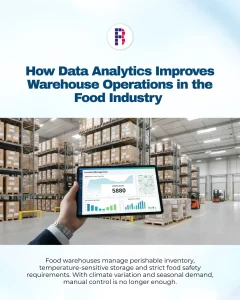
Production dashboards or ERP integrations make it easier to track material movement, energy consumption, and workforce deployment in real time. When decisions are guided by accurate data, every investment becomes more targeted and effective, and teams can plan proactively rather than reactively.
- Lean Manufacturing Principles
Lean manufacturing emphasizes the elimination of waste in every process. This philosophy encourages continuous improvement through small, consistent changes that simplify workflows and enhance productivity.
Simple steps such as organizing tools efficiently, standardizing cleaning and maintenance routines, and regularly reviewing production layouts can make noticeable differences. Encouraging team-led improvements builds ownership and keeps innovation alive at the shop-floor level. Over time, lean practices reduce waste, cut costs, and create a culture of efficiency that supports long-term resilience.
- Strategic Workforce Planning
A motivated, multi-skilled workforce is one of the most valuable assets in any manufacturing setup. Cross-training employees across different operations increases flexibility during peak production or unexpected absences.
Aligning staffing schedules with production peaks avoids both underutilization and overtime expenses. Training in food safety, hygiene, and equipment handling not only improves compliance but also boosts confidence and precision on the floor. Investing in people ensures that machines and systems run at their best and builds loyalty within the organization.
- Energy and Utility Optimization
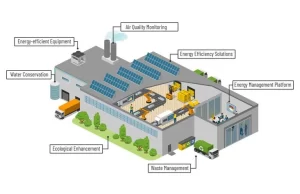
Energy costs can quietly erode profitability if left unchecked. Regular monitoring of power, water, and compressed air consumption can uncover inefficiencies that are often overlooked.
Adopting energy-efficient motors, lighting, and refrigeration systems significantly reduces utility costs. Some manufacturers are also turning to renewable energy solutions like rooftop solar or process-water recycling to strengthen both cost control and sustainability commitments. These measures improve margins and demonstrate responsibility toward environmental goals.
- Supplier Collaboration and Forecasting
Suppliers play a critical role in the efficiency of any food manufacturing operation. Building long-term partnerships helps stabilize input costs and ensures priority access to essential ingredients during high-demand periods.
Sharing production plans or sales forecasts with suppliers enables them to prepare inventory and logistics more effectively, leading to smoother supply flow. Open collaboration can also lead to innovations in packaging, storage, or ingredient sourcing that benefit both sides. Viewing suppliers as strategic allies rather than just vendors builds resilience into the value chain.
- Smart Budgeting and Cost Control
Budgets work best when they are living documents, not static spreadsheets. Regularly reviewing expenses in relation to production performance allows managers to identify where resources generate the most value.
Approaches such as activity-based costing reveal hidden inefficiencies in areas like maintenance, logistics, or energy use. Instead of cutting costs uniformly, companies can channel funds toward high-impact areas—such as automation trials, R&D projects, or sustainability upgrades—that strengthen long-term competitiveness.
A balanced financial approach ensures that the business continues to evolve without compromising stability.
Technology’s Role in Efficient Resource Allocation
Technology has made intelligent resource management accessible to even mid-sized manufacturers. Digital tools today are modular, affordable, and easy to integrate with existing systems.
Automation improves speed and consistency in repetitive tasks like packaging and palletizing. AI-based forecasting tools can anticipate demand shifts and adjust procurement or production schedules accordingly. IoT-based sensors allow real-time tracking of temperature, humidity, and machine performance, helping prevent wastage or downtime.
Digital twins—virtual models of production setups—enable teams to test different configurations before making physical changes. These tools collectively make factories more responsive, data-aware, and efficient.
At Beyzon Foodtek, several mid-sized clients have improved yields and reduced wastage simply by implementing smart monitoring and demand-based planning tools. Technology, when applied thoughtfully, becomes a force multiplier rather than an added burden.
Case Study
A mid-sized dairy producer faced repeated shutdowns due to inconsistent power use and equipment inefficiencies. By reassessing their resource allocation and introducing a digital monitoring system, they began tracking their utility usage and machine health in real time.
Simple adjustments, such as rescheduling energy-intensive operations during off-peak hours and introducing preventive maintenance routines, led to steady improvement. Within months, their production downtime reduced significantly, energy bills dropped, and output quality became more consistent.
This case illustrates that even modest operational changes, guided by the right data and structure, can create measurable progress.
Conclusion
At Beyzon Foodtek, we understand that for mid-sized food manufacturers, efficient resource allocation is more than just a business strategy. It’s a mindset that shapes how you plan, invest and care for the people who make your operations possible.
Efficiency means smart planning, embracing tech, and supporting your team. When everything works together, resources drive results and build a stronger business.
We’ve seen firsthand how data-driven planning, lean management, responsible utility practices and skill-focused workforce development can transform day-to-day operations into long-term success stories.
That’s why our goal is simple- to help you make the most of what you have. Through structured capacity planning, automation consulting and smart digital and safety integration, we work alongside you to ensure every resource counts and every process moves your business forward with purpose.
FAQs:
- What is resource allocation in food manufacturing?
Resource allocation refers to the distribution of assets like capital, labor, raw materials, technology, and energy to achieve efficiency and profitability.
- What are common challenges faced by mid-sized food manufacturers?
Common challenges include fluctuating raw material prices, limited automation and data visibility, compliance and traceability demands, and inventory control and workforce management.
- How can data-driven decision making help in resource allocation?
Data-driven decision making helps identify bottlenecks, optimize resources, and make targeted investments, leading to improved efficiency and productivity.
- What is lean manufacturing, and how can it benefit food manufacturers?
Lean manufacturing emphasizes eliminating waste and improving productivity through continuous improvement. It can help food manufacturers reduce waste, cut costs, and create a culture of efficiency.
- How can technology improve resource allocation in food manufacturing?
Technology can improve resource allocation by providing real-time data, automating repetitive tasks, and enabling predictive maintenance, leading to improved efficiency, productivity, and responsiveness.