Food safety audits have become the backbone of credibility for modern food manufacturing. They are no longer routine compliance checks; they are deeper evaluations of how responsibly and consistently a facility protects consumer health. In a world where even a minor lapse can damage reputation and disrupt market access, audits serve as strategic indicators of operational maturity.
For Beyzon Foodtek, audit readiness represents a continuous discipline rather than a one-day event. Every automation upgrade, hygiene SOP and workforce intervention delivered by Beyzon is designed to embed safety principles into the everyday functioning of a plant. When audit preparedness becomes a culture, compliance follows naturally.
What is a Food Safety Audit?
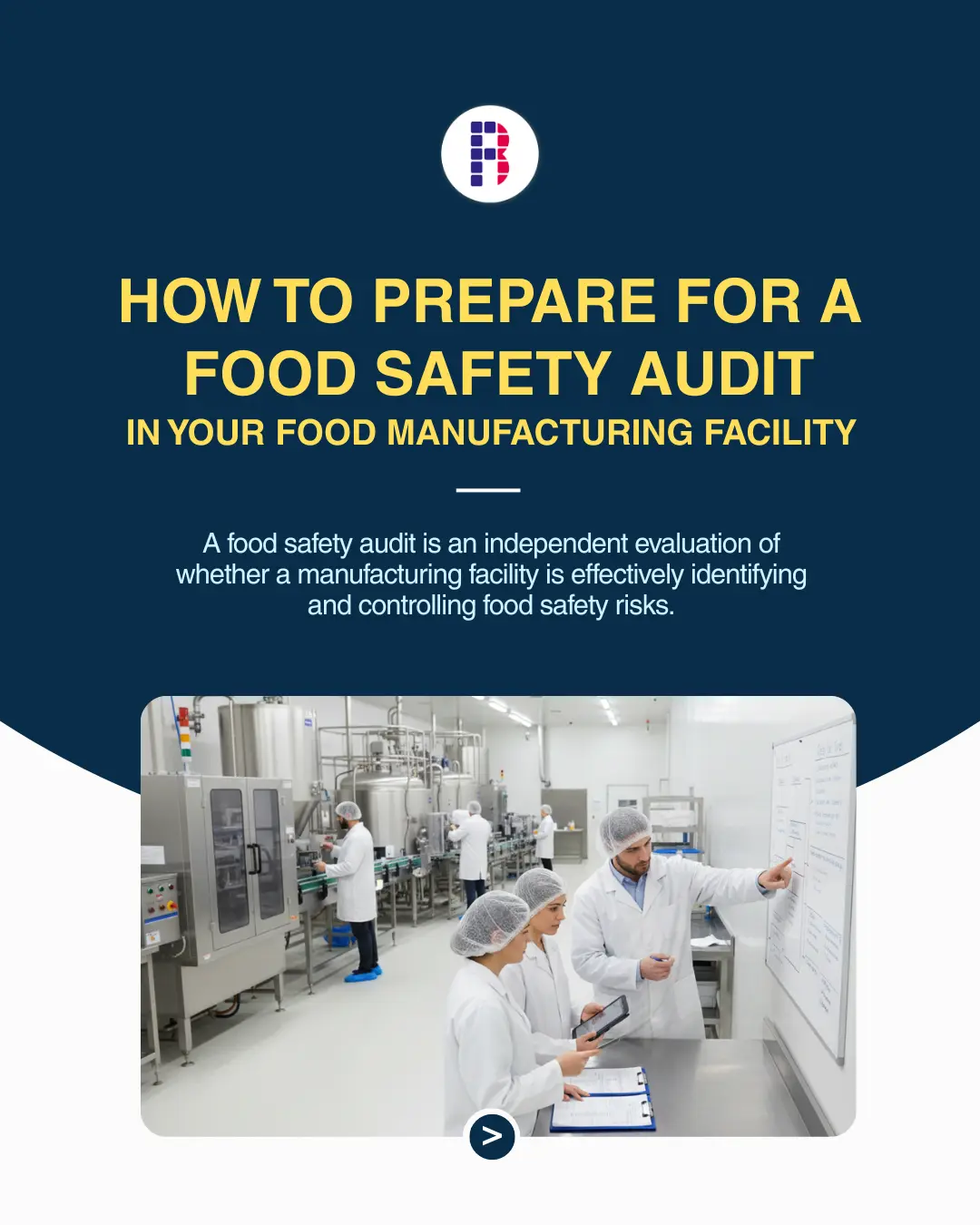
A food safety audit is an independent evaluation of whether a manufacturing facility is effectively identifying and controlling food safety risks. Auditors review hygiene practices, technical controls, equipment design, and documentation systems to determine alignment with regulatory and industry standards.
In India, regulations under FSSAI and Schedule 4 define minimum compliance requirements, whereas frameworks such as ISO 22000, FSSC 22000, BRCGS, HACCP and HALAL support global certification and market access.
During an audit, evaluators assess areas including production lines, packaging zones, warehouses, sanitation areas, utility systems, and employee facilities. They also verify critical elements such as HACCP, allergen control, sanitation validation, traceability, and recall readiness — increasingly essential for suppliers serving retail and export markets.
Types of Food Safety Audits
Food manufacturing facilities may undergo different forms of audits depending on regulatory requirements and market expectations:
- Regulatory Audits
Conducted by authorities such as FSSAI to ensure legal compliance.
- Certification Audits
Required to obtain or maintain standards such as ISO 22000, FSSC 22000, BRCGS, HALAL or HACCP.
- Second-Party / Customer Audits
Conducted by large retail chains, exporters, or private-label clients to verify supplier capability.
- Internal Audits
Performed by the facility itself to assess readiness and identify gaps before an external visit.
Understanding the type of audit helps determine the level of documentation, validation, and operational proof required.
Common Challenges Manufacturers Face
Despite best intentions, many manufacturers struggle to stay consistently audit-ready. One of the most common challenges is poor documentation discipline. Records may exist but be incomplete, misplaced, or filled incorrectly. Another recurring issue is inconsistent hygiene practices, especially in areas requiring strict segregation of raw and cooked materials. Plants also face challenges in equipment design, where hard-to-reach corners or unhygienic welds become contamination risks.
Workforce awareness remains a visible gap. Even well-designed systems falter when employees cannot confidently explain why a particular hygiene rule or monitoring step matters. Traceability failures — such as missing COAs from suppliers or incomplete recall drill documentation — further weaken audit performance. Lastly, many plants follow a last-minute preparation culture, trying to fix systemic issues only days before the audit, which rarely succeeds.
Step-by-Step Preparation Framework
- Review Audit Requirements
Preparing effectively begins with understanding the standard you are being evaluated against. Each certification has distinct clauses, documentation expectations, and process requirements. A plant must assess whether its current practices align with the exact auditing criteria. Beyzon Foodtek assists manufacturers in interpreting these requirements, mapping each clause to specific operational checks, and identifying areas where additional validation or documentation is needed.
Once the audit scope is clear, the facility can prioritise risk zones such as mixing, cooking, packaging, allergen control, and cold-chain management. Reviewing previous audit reports, non-conformities, and CAPAs also provides a valuable starting point for preparation. - Documentation and Record Control
Documentation forms the backbone of any food safety audit. Auditors rely on records to verify that activities were performed correctly and consistently over time. Every sanitation cycle, temperature measurement, pest-control activity, equipment calibration, or CCP monitoring step must exist as a traceable, legible record. Gaps in documents — such as missing signatures, unclear timestamps, overwriting, or absence of trend charts — immediately raise concerns.
A plant must ensure that all SOPs are updated, all monitoring formats are current, and documents are stored logically so auditors can access them quickly. Many manufacturers are now migrating to digital systems to reduce manual errors and ensure real-time visibility. Beyzon Foodtek’s digital dashboards allow teams to retrieve logs instantly, receive alerts for overdue checks, and simplify the entire audit trail. - Facility and Operational Readiness
Audit preparation extends beyond paperwork; the physical environment of the plant must reflect compliance at a glance. This begins with maintaining strict hygiene zones, ensuring staff use the correct PPE, and managing the flow of people and materials to prevent cross-contamination. A facility must demonstrate that cleaning and sanitation activities follow a structured plan, validated periodically through swab tests or ATP checks.
Equipment also plays a crucial role. Machines must be hygienically designed, calibrated, and free from product build-up. Ventilation systems should support appropriate air flows, temperature and humidity controls must be functional, and drainage should be unobstructed. Beyzon Foodtek’s hygiene optimization programs help manufacturers refine these physical aspects — from sanitation design to zoning layouts — so that the facility remains audit-ready even during peak production. - Workforce Training
A well-trained workforce is one of the strongest indicators of a mature food safety culture. Auditors interact directly with employees at different levels, asking them to explain hygiene rules, allergen protocols, CCP monitoring steps, or emergency procedures. When staff respond confidently and correctly, it signals that the plant prioritises training rather than treating it as a formality.
Training should therefore be continuous, role-specific, and reinforced through mock drills and visual aids. Records of attendance, evaluations, and refresher programs must be readily available. Beyzon Foodtek integrates behaviour-based coaching into its interventions so that employees not only know what to do but also understand why it matters — an approach that significantly strengthens audit outcomes. - Traceability and Recall System Validation
Traceability is one of the most scrutinised components of any food safety audit. A facility must be able to demonstrate — often within minutes — where each raw material came from, how it was processed, and which finished batches it contributed to. This includes verifying COAs from suppliers, ensuring correct labelling for allergens, and maintaining clear segregation for quarantined or rejected materials.
Equally important is an effective recall system. Plants must conduct periodic recall simulations to test how quickly they can identify affected batches, notify stakeholders, and remove products from distribution. - Conduct a Mock Audit
A mock audit is one of the most powerful tools for improving readiness. It recreates the pressure and flow of a real audit, revealing gaps that often go unnoticed in daily operations. These exercises help identify documentation inconsistencies, hygiene lapses, poorly maintained equipment, or unclear CCP monitoring practices.
Beyzon Foodtek’s gap assessments simulate real-world audit conditions, giving facilities a preview of where auditors are likely to raise concerns. Practicing beforehand also ensures that staff become comfortable with the audit process, reducing anxiety and improving performance on the actual day.
What to Do on the Day of the Audit
On audit day, clarity, organization and confidence matter. The plant should be in full operation, with all areas clean, orderly and following standard procedures. Documents should be accessible, preferably digitally, to avoid delays. The team responsible for leading the audit — often from QA, production and engineering — must be prepared to answer questions accurately and accompany the auditor across all areas.
During the walkthrough, transparency is key. If a deviation is found, acknowledging it with an explanation and immediate corrective evidence creates a stronger impression than attempting to hide or minimize it. Demonstrating live monitoring activities, sanitation checks, or calibration verifications helps reinforce the facility’s commitment to consistent food safety practices.
After the Audit
Once the audit concludes, the real improvement cycle begins. The facility must review the audit report carefully, classify the non-conformities, and perform thorough root-cause analyses for each observation. Developing a Corrective Actions and Preventive Action plan, assigning responsibilities, and implementing changes within the defined timelines are essential steps.
Audit findings should be shared across teams so that improvements become a collective effort rather than a QA-only responsibility. Beyzon Foodtek works closely with plants during the post-audit phase, helping strengthen weak areas and updating SOPs, training modules, and monitoring systems to prevent recurrence.
Conclusion
Preparing for a food safety audit is ultimately about building a culture of safety, ownership, and continuous improvement. Documentation, hygiene, equipment design, training, traceability, and technology must work together to create an operation that remains audit-ready every single day — not just when the auditor arrives.
With Beyzon Foodtek’s expertise in automation, food safety interventions, and operational excellence, manufacturers can shift from reactive compliance to proactive mastery. When systems, people, and technology align, food safety audits become opportunities to showcase strength, gain certifications, and secure market trust — ensuring that every product leaving the facility is consistently safe, compliant, and worthy of consumer confidence.
Frequently Asked Questions (FAQ)
1. What is the main goal of a food safety audit?
To verify that your facility consistently produces safe food by following regulatory, hygienic, and preventive control standards.
2.How often should internal food safety audits be conducted?
Ideally once every quarter, with external certification audits annually to maintain compliance and readiness.
3. What documents are essential during an audit?
Sanitation logs, CCP records, temperature charts, supplier COAs, training records, and CAPA reports form the core of documentation.
4. How can small or mid-sized manufacturers prepare effectively?
By conducting gap assessments, training staff, maintaining organized digital records, and aligning with FSSAI or ISO 22000 frameworks — areas where Beyzon Foodtek offers tailored support.