Setting up and running a manufacturing plant in the food processing industry requires more than technical know-how. One of the key drivers of operational success is effective budgeting. A well-planned budget not only allocates financial resources wisely but also supports efficiency, growth and profitability.
Whether you are building a new plant or optimising an existing one, understanding the basics of budgeting can help prevent costly overruns, delays, and resource mismanagement. At Beyzon Foodtek, we help clients streamline operations through strategic planning, including robust budgeting practices.
Why Budgeting is Crucial for Manufacturing Plant Operations

Manufacturing plants are capital-intensive ventures. From machinery and raw materials to labour and utilities, the cost components are numerous. Budgeting helps you:
- Forecast expenses and revenues: Anticipating incoming revenues and estimating outgoing expenses helps set realistic financial expectations and avoid cash shortages.
- Plan for capital investments: Budgeting allows you to strategically allocate funds for long-term assets like machinery, equipment, or facility upgrades.
- Monitor cash flows: Tracking money in and out ensures liquidity is maintained and that the plant can meet its operational obligations without delays
- Identify cost-saving opportunities: A good budget highlights inefficient spending and helps redirect funds to more productive uses.
- Improve decision-making: Financial clarity supports informed choices about resource allocation, hiring, expansion, and risk management.
By establishing a clear financial plan, plant managers can align operational goals with financial realities. It also creates accountability among departments and promotes a culture of cost-consciousness.
Key Components of a Manufacturing Budget
A comprehensive manufacturing plant budget includes multiple layers. Here are the main elements:
1. Capital Expenditure (CapEx)
This includes initial investments such as:
- Land acquisition or lease
- Construction and site development
- Machinery and equipment purchases
CapEx is often a one-time or infrequent expense, but it forms the foundation of your manufacturing setup.
2. Operating Expenses (OpEx)
These are recurring costs that sustain plant operations, including:
- Raw materials and ingredients
- Labour wages and benefits
- Utilities (electricity, water, gas)
- Maintenance and repairs
- Packaging and logistics
- Waste management and quality control
3. Administrative Costs
Budgeting should account for costs related to management, compliance, accounting, insurance, staff recruitment, employee benefits, and training programs.
4. Contingency Reserve
Unforeseen costs can derail your operations. A 5-10% buffer is advisable to account for emergencies or unexpected hikes in material costs, labour unrest, equipment failures, or supply chain disruptions.
Sample Budget Estimates by Plant Scale

Budgeting varies significantly depending on the scale of the manufacturing operation. Below are typical budget ranges for different plant sizes within the food processing industry:
Small-Scale Food Processing Plant (e.g., spice grinding or pickling unit)
- Initial Setup Cost: ₹25–50 lakhs
- CapEx: ₹15–30 lakhs (basic machinery, lease/rent, basic utilities)
- OpEx (monthly): ₹2–4 lakhs (labour, raw materials, utilities)
- Break-even Period: 12–24 months
Medium-Scale Plant (e.g., dairy processing, bakery or snacks unit)
- Initial Setup Cost: ₹1–3 crores
- CapEx: ₹80 lakhs–₹2 crores (automated equipment, plant layout design, food-grade infrastructure)
- OpEx (monthly): ₹10–20 lakhs
- Break-even Period: 24–36 months
Large-Scale Plant (e.g., frozen food unit, beverage bottling plant)
- Initial Setup Cost: ₹5–20 crores
- CapEx: ₹4–15 crores (high-capacity machinery, automation, utilities backup, lab testing units)
- OpEx (monthly): ₹25–50 lakhs or more
- Break-even Period: 3–5 years
Note: These are indicative estimates and can vary based on region, technology choice, supply chain integration, and government subsidies. Beyzone Foodtek can provide tailored financial models and help apply for capital assistance from government schemes.
Steps to Build a Manufacturing Budget
Step 1: Set Clear Objectives
Define short-term and long-term goals. Are you aiming to expand production, improve efficiency, or reduce costs? Your budget should support these objectives while staying aligned with the company’s mission.
Step 2: Gather Accurate Data
Collect data on historical costs, current prices, supplier contracts, labour rates, utility consumption trends, and logistics fees. Accurate inputs make for a reliable budget and help anticipate future requirements.
Step 3: Estimate Costs Realistically
Overestimating revenue or underestimating costs can skew your budget. Be conservative and realistic. It’s also essential to review competitive market data to benchmark expectations.
Step 4: Use Budgeting Tools
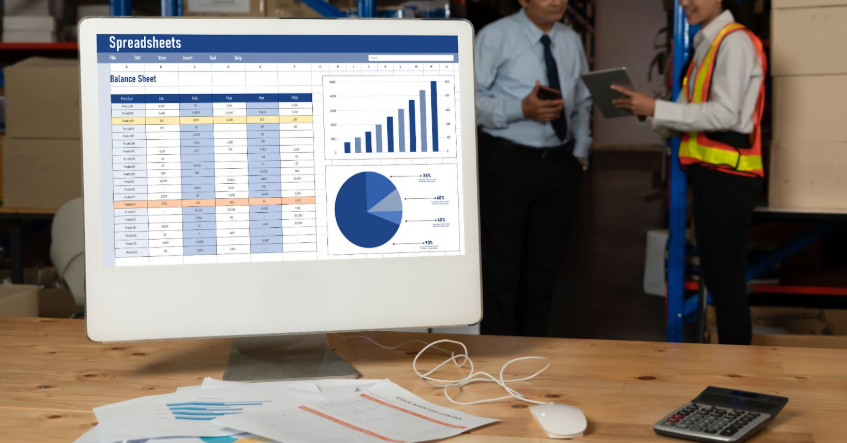
Excel sheets, ERP software, and cloud-based budgeting platforms can simplify data entry, analysis, and updates. Many plants use platforms integrated with supply chain and finance software for seamless planning.
Step 5: Review and Adjust Periodically
A budget is not static. Market conditions change, so periodic reviews are essential to stay on track. Monthly or quarterly assessments enable timely course corrections and performance evaluations.
Best Practices for Efficient Budgeting
- Involve Key Departments: Get input from procurement, HR, maintenance, and production teams to understand real-world needs and constraints.
- Benchmark Costs: Use industry data to gauge how your costs compare, especially when bidding for tenders or negotiating contracts
- Implement Cost Controls: Introduce policies for purchase approvals, vendor evaluations, and inventory audits
- Link Budget to KPIs: Align financial plans with measurable targets like yield rate, machine downtime, energy efficiency, and labour productivity.
- Incorporate Lean Manufacturing Principles: Reducing waste in production directly impacts your budget effectiveness.
Common Budgeting Mistakes to Avoid
- Ignoring hidden costs like regulatory compliance, waste disposal, or license renewals
- Failing to revise the budget quarterly or annually to reflect market changes
- Assuming constant prices in a volatile market, especially for commodities and logistics
- Not accounting for scale-up costs in case of production increases.
- Overlooking staff training, which can lead to inefficiencies or non-comp.
How Beyzon Foodtek Helps
At Beyzon Foodtek Pvt. Ltd., we don’t just assist in setting up manufacturing plants—we provide end-to-end consulting that includes financial planning and budget optimisation. Our team works with clients to:
- Identify cost drivers in food manufacturing
- Create scalable financial models
- Optimise plant layouts for operational efficiency
- Conduct periodic audits to align budgets with performance
- Advise on subsidy applications and government grants
- Integrate compliance with budget planning
Conclusion
Budgeting is not just a financial exercise; it’s a strategic tool for achieving sustainable growth in manufacturing. For food industry ventures, where margins and regulations are tight, it becomes even more critical. At Beyzon Foodtek, we empower businesses with the knowledge and systems to build strong financial foundations.
Looking to set up a food manufacturing plant? Get in touch with us to learn how we can support your journey.
Frequently Asked Questions (FAQ)
1. What percentage of the total budget should be kept as contingency?
5% to 10%, depending on project size and complexity.
2. Can budgeting improve compliance and safety?
Yes. Allocating funds for training, audits, and safety equipment ensures regulatory compliance and workplace safety.
3. Do all plants need ERP systems for budgeting?
Not necessarily. Small to mid-sized plants can manage with structured spreadsheets, but ERP systems are recommended for larger operations.
4. How does budgeting impact plant efficiency?
It ensures resources are optimally allocated, helps avoid bottlenecks, and supports continuous improvement.
5. What are typical budget ratios in food manufacturing?
Raw materials may comprise 40-60%, labour 15-25%, utilities 5-10%, and maintenance/admin the rest. These vary based on the scale and product.