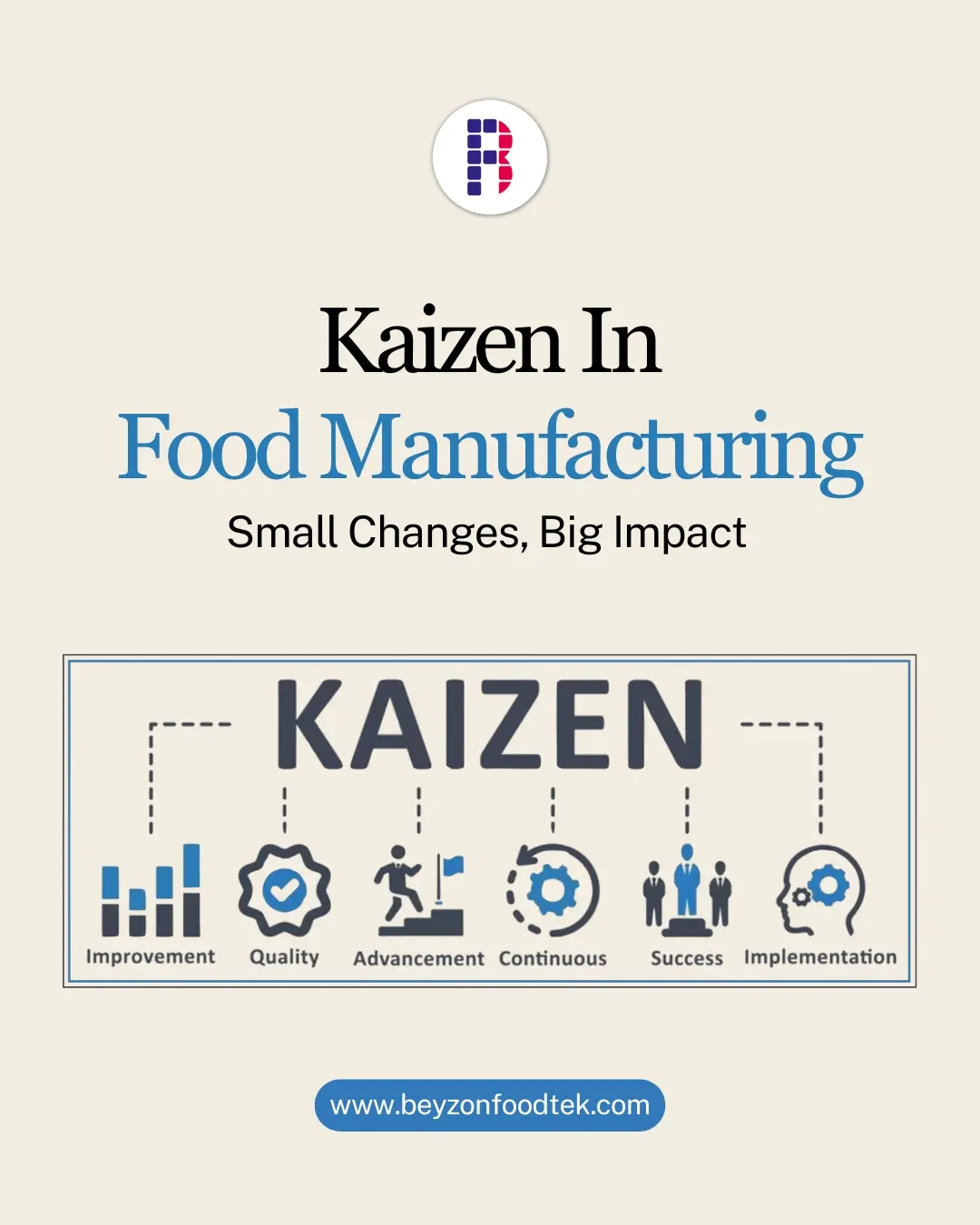
In today’s competitive food manufacturing landscape, success is often associated with big investments—state-of-the-art machinery, digital systems, and large-scale automation. Yet history has repeatedly shown that small, consistent improvements can create a greater and more lasting impact. This philosophy is embodied in Kaizen, a Japanese management concept that translates to “continuous improvement.”
Introduction to Kaizen in Food Manufacturing
Kaizen, a Japanese term meaning “change for the better” or “continuous improvement,” is a proven methodology for enhancing productivity and reducing waste. In the food processing industry, Kaizen has become a cornerstone of lean manufacturing and operational excellence.
Adopted by leading food manufacturing consultants, food industry consultants, and forward-thinking food businesses, the Kaizen approach helps improve systems, streamline workflows, and engage employees at all levels.
For food manufacturers in India, particularly mid-sized businesses where resources are limited but ambitions are high, Kaizen offers a practical and cost-effective pathway to operational excellence.
Kaizen Method and Implementation in Food Factories
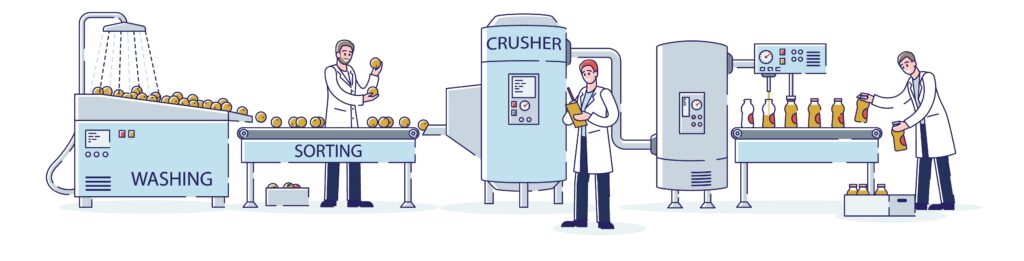
Kaizen solves operational challenges through small, incremental changes that cumulatively enhance performance. It is especially effective in food factory design and food processing plant operations, where waste reduction, hygiene, and efficiency are critical.
Kaizen Method and Implementation in Food Factories
The 5S methodology, widely implemented by food processing consultants, supports Kaizen by creating a clean, efficient, and organized workplace.
- Seiri (Sort): Eliminate unnecessary items. “Red tagging” is often used to isolate and remove clutter from facilities.
- Seiso (Shine): Promote cleanliness with routine maintenance and sanitation—vital in food safety compliance.
- Seiton (Set in Order): Organize workstations using floor markings, labels, and modular equipment.
- Seiketsu (Standardize): Establish best practices for daily operations and ensure consistency.
- Shitsuke (Sustain): Develop a culture of discipline and ongoing adherence to set standards.
Why Kaizen Matters in Food Manufacturing
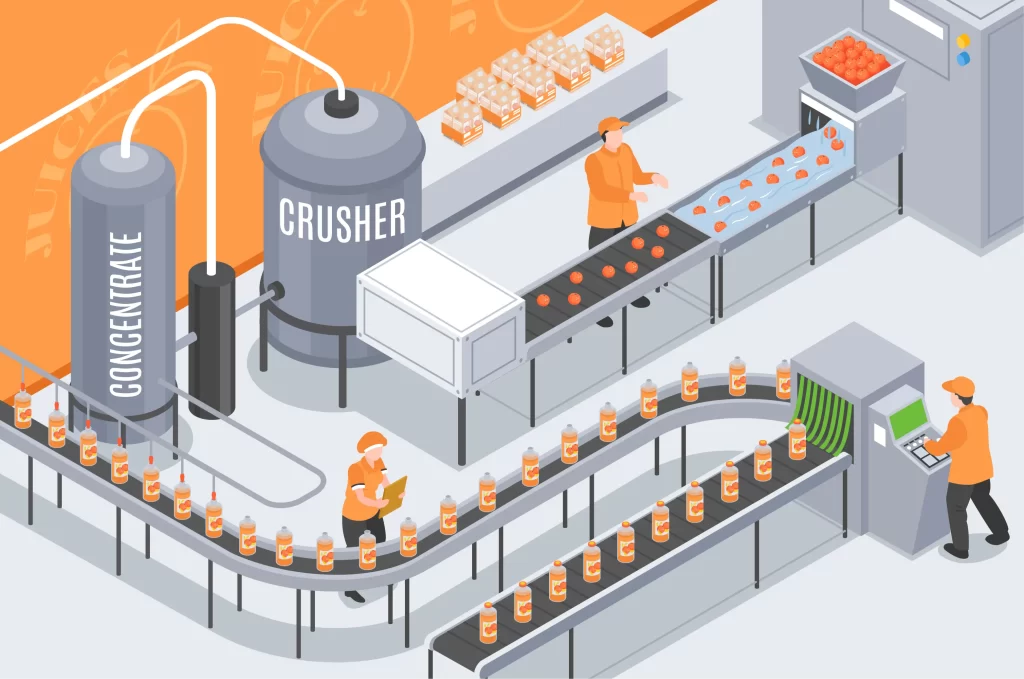
Food manufacturing presents unique challenges: strict safety regulations, highly perishable raw materials, and seasonal demand fluctuations. Kaizen helps address these issues by embedding a culture of improvement.
Key advantages include:
- Cost savings: Even small reductions in wastage or downtime can save lakhs annually.
- Compliance: Incremental improvements in hygiene and documentation improve FSSAI or GFSI audit scores.
- Employee engagement: Workers who contribute ideas feel more valued, reducing attrition.
- Customer trust: Consistency in quality strengthens brand equity.
Beyzon Foodtek has seen mid-sized manufacturers achieve 5–10% productivity gains within a year of adopting Kaizen-focused initiatives—without heavy investment in new equipment.
Practical Examples of Kaizen in Food Manufacturing
- Reducing Material Waste: A bakery plant cut dough residue losses by 50% by modifying tools and mixing times.
- Improving Changeover Times: A dairy plant standardized cleaning/setup steps, cutting changeover time by 20 minutes per line.
- Energy Efficiency: A beverage manufacturer lowered electricity costs by 8% by reorganizing shifts and switching off idle equipment
PDCA Cycle: A Structured Approach to Kaizen
The Plan-Do-Check-Act (PDCA) cycle complements Kaizen by providing a structured method to test and implement improvements.
- Plan: Identify inefficiencies and propose solutions.
- Do: Implement pilot changes and measure results.
- Check: Evaluate outcomes with pre/post data.
- Act: Standardize successful solutions into SOPs.
Steps to Implement Kaizen in Food Manufacturing
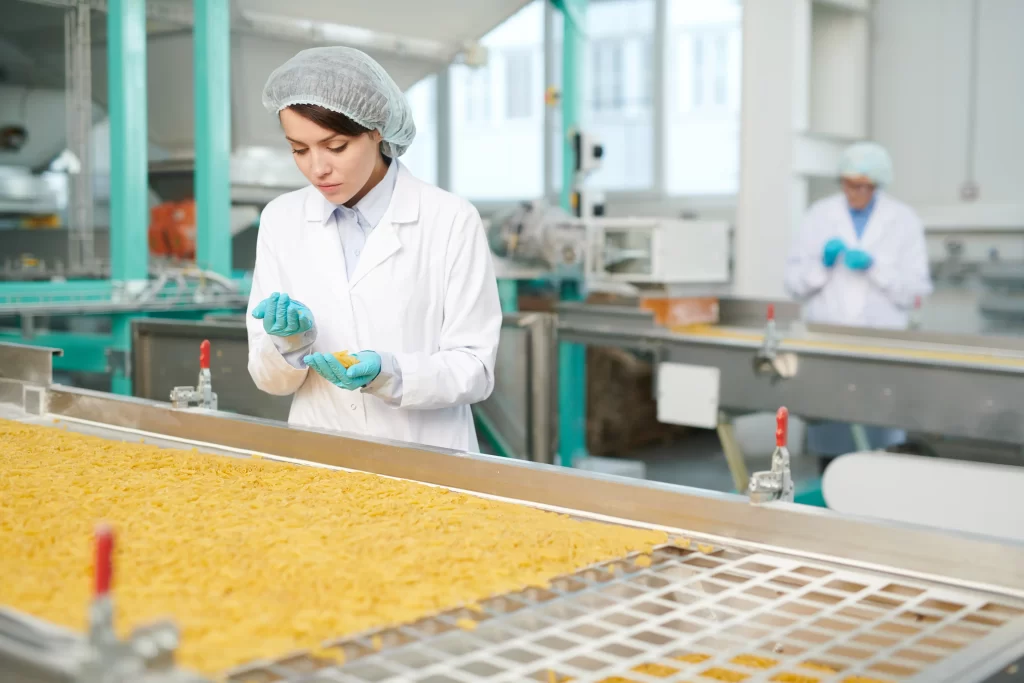
- Start Small and Visible: Focus on one process where results can be quickly measured.
- Involve Everyone: Line workers often notice inefficiencies others miss.
- Measure and Document: Track downtime, rejection rates, or sanitation metrics.
- Encourage Suggestions: Use drop boxes or digital forms for employee ideas.
- Review and Standardize: Incorporate improvements into SOPs for long-term adoption.
Kaizen and Food Safety
Food safety is one of the areas where Kaizen’s impact is most visible.
- Audit Preparation: Ongoing checks reduce last-minute scramble before audits.
- Traceability: Step-by-step improvements strengthen labeling and supply chain transparency.
Beyzon Foodtek frequently integrates Kaizen practices into HACCP and FSMS frameworks, aligning continuous improvement with compliance.
Measuring the Impact of Kaizen
To sustain Kaizen, manufacturers should track KPIs such as:
- Rejection/defect rates
- Downtime hours saved
- Audit compliance scores
- Material yield percentage
- Employee suggestions implemented
For instance, Kaizen-led cleaning protocols may improve audit compliance scores from 85% to 95% within a year, saving potential penalties of ₹10–15 lakh.
Challenges in Applying Kaizen

- Resistance to change from employees
- Lack of immediate ROI
- Poor documentation and follow-up
Overcoming these requires leadership commitment, communication, and sometimes external facilitators to maintain momentum.
Kaizen vs. Large-Scale Automation
While automation and digitalization are important, Kaizen is unique because it can be implemented without heavy investment. Many Beyzon clients adopt Kaizen first, reinvest savings into ERP or IoT, and build a cycle of progressive growth.
Conclusion
Kaizen proves that small changes, consistently applied, can create big results in food manufacturing. By reducing waste, engaging employees, and strengthening food safety, manufacturers can achieve measurable efficiency gains without major capital spending.
For companies in the food industry, especially those seeking guidance from food consultants or food business consultancies, Kaizen offers a low-cost, high-impact pathway to sustainable performance. Whether it’s factory design, process optimization, or sanitation protocols, Kaizen is the foundation for long-term operational excellence.
Key Takeaway: Kaizen is not a one-time project but a mindset. By embracing continuous, small improvements, food manufacturers can reduce costs, improve compliance, engage employees, and strengthen competitiveness.
Frequently Asked Questions (FAQ)
1. What does Kaizen mean in food manufacturing?
Kaizen is the practice of making small, continuous improvements in processes, safety, and efficiency.
2. How does Kaizen save money for manufacturers?
Even small changes—like reducing wastage, improving cleaning routines, or cutting downtime—can save lakhs annually.
3. Is Kaizen suitable for mid-sized food companies?
Yes, Kaizen delivers results without requiring heavy capital investments.
4. How does Kaizen improve food safety compliance?
By embedding incremental improvements in sanitation, documentation, and audit readiness, Kaizen strengthens compliance with FSSAI and GFSI.