In India’s fast-growing food processing industry, staying competitive means producing consistently, efficiently, and with minimal waste. Whether you’re processing spices in Pune or packaging dairy products in Gujarat, the ability to manage production capacity directly impacts profitability, delivery schedules, and product quality.
At Beyzon Foodtek, we understand that managing plant capacity is more than just installing the right machinery—it’s about strategically aligning production capabilities with real-time demand. That’s where two key concepts come in: capacity planning and capacity balancing. Understanding the difference—and knowing when and how to apply each—is crucial for every food manufacturer aiming to scale sustainably.
What is Capacity Planning?
Capacity planning is the process of determining the resources (equipment, labor, raw materials) a plant needs to meet forecasted demand. It’s a forward-looking, strategic function that ensures you’re ready for market shifts, new product launches, or seasonal demand spikes.
Types of Capacity Planning:
- Long-Term Planning
Prepares for changes over 3–5 years—such as setting up new production lines or expanding to new geographies. - Medium-Term Planning
Involves 6–18 months of forecasting, typically used for workforce scheduling, maintenance planning, and vendor management. - Short-Term Planning
Focuses on daily or weekly operations—like adjusting shift timings, reassigning tasks, or increasing batch sizes.
Why Capacity Planning Matters in Indian Food Manufacturing
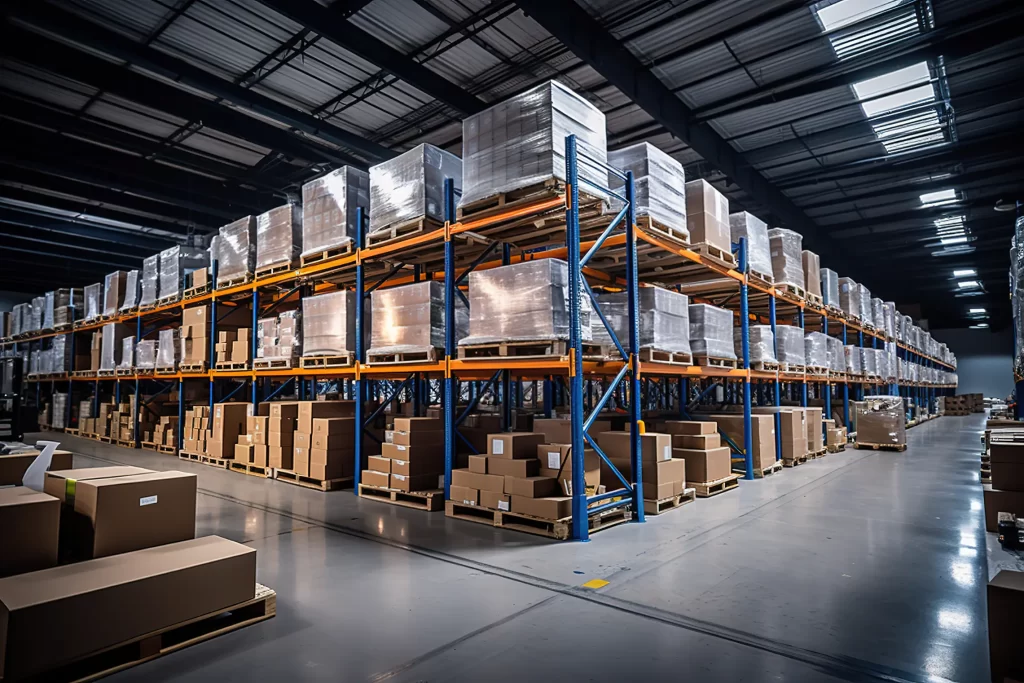
India’s food market is complex and seasonal. Demand for items like frozen snacks, masalas, or pickles can vary drastically during festivals or summer months. Without proactive planning:
- Perishable goods may spoil due to overproduction.
- Sudden surges in demand could lead to missed delivery timelines.
- Labor shortages or equipment bottlenecks can disrupt workflows.
Example: A manufacturer of mango pulp needs to plan a year in advance for peak summer production. Without enough chilling tanks or processing lines, unprocessed fruit can go to waste—impacting both cost and reputation.
What is Capacity Balancing?
While capacity planning prepares your plant for demand, capacity balancing ensures that current resources are optimally utilized. It is a more immediate, operational activity that eliminates bottlenecks, idle time, and uneven workloads across machines and departments.
In simpler terms, capacity balancing asks:
“How well are we using what we already have right now?”
When Capacity Becomes Imbalanced:
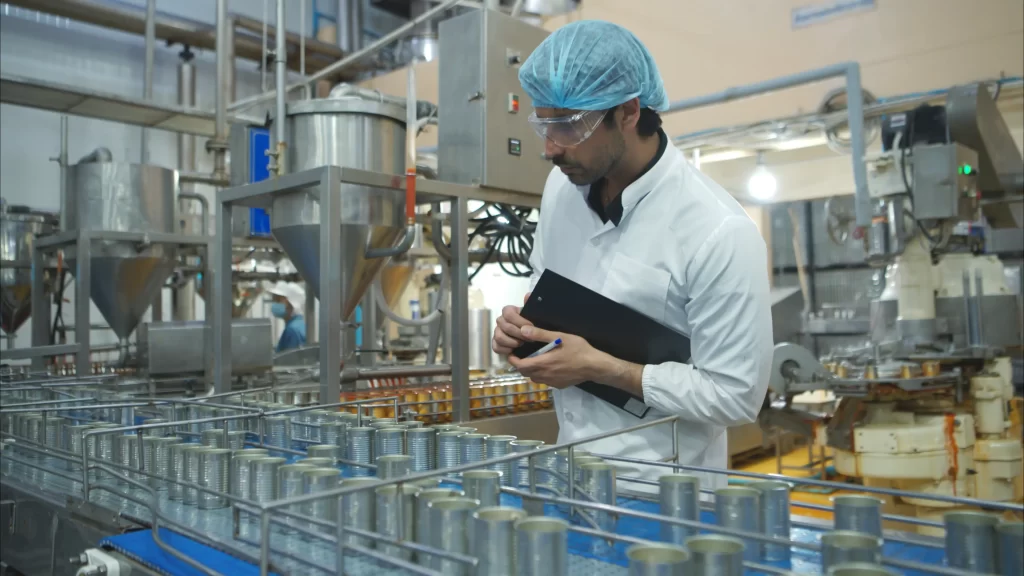
- One packaging line is overwhelmed, while others are idle
- Production halts because a critical machine is running overtime
- Labor resources are over-assigned to one line, underutilized on another
These issues are common in Indian plants with diverse Stock Keeping Units (SKU) and manual-mechanical hybrid systems, especially in SME units transitioning into automation.
Capacity Planning vs. Capacity Balancing: A Comparison

| Aspect | Capacity Planning | Capacity Balancing |
| Focus | Future demand | Present operations |
| Timeframe | Long-term to short-term | Immediate to short-term |
| Goal | Ensure resources match future needs | Ensure optimal use of current resources |
| Tools | Enterprise Resource Planning (ERP) forecasting, production models | Line balancing software, Manufacture Execution System (MES), visual charts |
| Outcome | Strategic readiness | Operational smoothness |
Both are essential—not substitutes for one another.
Why Indian Food Manufacturers Need Both
India’s food processing landscape is unique:
- High product diversity: From spices to frozen foods, each requires different equipment setups.
- Labor variability: Many units rely on seasonal or contract labor, requiring flexibility.
- Power and infrastructure limits: Especially in semi-urban/rural plants, unpredictability in electricity or water can hamper operations.
Without capacity planning, you may not have enough resources.
Without capacity balancing, your existing resources won’t be used efficiently.
Real-World Example: A Spice Blending Unit

A spice processor in Maharashtra forecasts high demand during festive months and plans for extra raw material and packaging. That’s capacity planning.
But during execution, the blending unit becomes a bottleneck due to extended cleaning time between batches. The downstream packaging line is idle for hours.
By redistributing manpower, rearranging batch sizes, or running a parallel line, the plant can balance capacity—ensuring continuous output and minimal idle time.
Common Challenges in Indian Plants
1. Inaccurate Forecasts
Without robust market data, long-term planning can be flawed—especially for new products.
2. Equipment Downtime
Older or imported machinery without local service support can create unplanned shutdowns.
3. Lack of Real-Time Visibility
Manual recording systems delay decision-making and reduce the ability to respond to imbalances quickly.
4. Departmental Silos
Planning and operations teams often work independently, causing gaps in implementation.
How Beyzon Foodtek Supports Capacity Optimization
At Beyzon Foodtek, we partner with food manufacturers across India to provide customized solutions that go beyond machinery. Our focus is on building high-performance systems that are:
- Modular – Easily scalable with demand
- Smart – Compatible with MES and plant automation systems
- Energy-efficient – Designed for Indian conditions
- Operator-friendly – Minimized training time, maximum uptime
Our team conducts on-site assessments to identify both planning gaps and balancing inefficiencies—helping clients build a robust production framework.
Strategies to Align Planning and Balancing
1. Digitize Operations
Adopt Enterprise Resource Planning (ERP) systems and manufacturing dashboards to track production and demand in real time.
2. Design for Flexibility
Install modular lines that can switch between Stock Keeping Units or be scaled up/down with seasonal demand.
3. Cross-Train Employees
Empower staff to handle multiple tasks or lines, allowing dynamic redistribution when needed.
4. Use KPIs to Track Efficiency
Monitor:
- Capacity utilization (%)
- Overall Equipment Effectiveness (OEE)
- Changeover time
- Idle time per machine/operator
Capacity Strategy as a Competitive Advantage
In a competitive market where customers demand faster delivery, diverse Stock Keeping Units, and consistent quality, manufacturers must move beyond reactive production models.
A proactive approach—one that combines planning with agile balancing—can lead to:
- Higher throughput
- Lower production cost per unit
- Reduced downtime and waste
- Improved customer service levels
As government initiatives like PMFME (Pradhan Mantri Formalisation of Micro Food Processing Enterprises) gain traction, having a smart capacity strategy can help manufacturers leverage funding, expand capacity, and compete globally.
Conclusion: Think Ahead, Act Smart
In the food manufacturing business, success lies in anticipating demand and delivering reliably. Capacity planning prepares your factory for the future. Capacity balancing ensures it runs efficiently today. Both are essential pillars of a world-class operation.
At Beyzon Foodtek, we believe that high-performance plants are not just built with the right equipment—but with the right mindset. If you’re planning to scale your operations or eliminate bottlenecks in your current setup, let’s talk.
FAQs
1. What is the main difference between capacity planning and capacity balancing?
Capacity planning is a strategic approach used to estimate the future production capacity needed to meet demand, while capacity balancing is an operational method to optimize how current resources are used to avoid bottlenecks and idle time.
2. How can food manufacturers in India apply capacity planning effectively?
Indian manufacturers should forecast seasonal demand, track consumer trends, and invest in modular systems. Tools like ERP software and historical sales data can improve accuracy in long-term and short-term planning.
3. Can Beyzon Foodtek help with both planning and balancing?
Yes, Beyzon Foodtek offers smart, modular, and scalable food processing systems along with expert consultation to help manufacturers align capacity planning with real-time balancing, tailored for Indian operating conditions.
4. What are common mistakes in capacity management?
Typical mistakes include relying on guesswork, not updating forecasts, ignoring equipment limitations, not training staff for flexibility, and failing to analyze production data regularly.
5. How often should capacity be reassessed?
Short-term capacity should be reviewed weekly or monthly, while long-term plans should be updated every 6 to 12 months based on market trends, machinery upgrades, and new product launches.