In India’s dynamic food manufacturing sector, maintaining food safety is not merely a legal obligation—it’s a marker of credibility and trust. With rising consumer awareness and global supply chains becoming more interconnected, regulatory compliance is under the spotlight like never before. Food manufacturers must routinely undergo audits conducted by bodies such as the Food Safety and Standards Authority of India (FSSAI) or internationally benchmarked certification schemes under the Global Food Safety Initiative (GFSI).
These audits, while essential, can uncover several non-conformities—systemic or operational gaps that could compromise product safety or violate regulatory expectations. Understanding these common pitfalls is crucial for food businesses preparing for their next audit or aiming to upgrade their internal food safety management systems.
Let’s explore the most prevalent non-conformities encountered during FSSAI and GFSI audits—and how proactive systems can help prevent them.
Inconsistent Documentation Practices

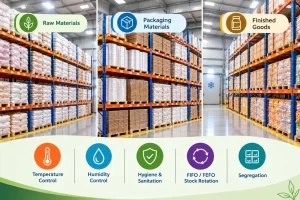
Perhaps the most recurring observation in food safety audits is the lack of robust documentation. Auditors often find that food processing facilities either maintain outdated records or lack key documentation altogether. For example, critical records such as temperature logs for cold storage, cleaning schedules, or supplier verification files might be incomplete or improperly filled.
To avoid this, food manufacturers should treat documentation as a daily operational discipline, not just an audit checklist. SOPs must be current, signed off by designated personnel, and easily retrievable. Many companies are now adopting digital tools that automate recordkeeping and allow real-time data capture—an efficient way to prevent oversight.
Gaps in Personal Hygiene and Staff Behavior

Another frequently encountered audit finding is poor hygiene compliance among personnel. This might include employees not wearing gloves or hairnets, improper handwashing practices, or even showing up to work when unwell.
Such oversights may seem minor, but in a food production environment, they can have serious consequences. Human contact is one of the fastest routes for cross-contamination. FSSAI and GFSI standards clearly stipulate hygiene requirements—not only in terms of attire, but also behavior, medical fitness, and personal conduct in food handling zones.
Facilities should invest in ongoing hygiene training programs that go beyond induction. Visual cues such as posters, reminder boards, and even hygiene monitors at entry points can reinforce behavior. Moreover, providing adequate facilities like handwashing stations, clean uniforms, and secure lockers is part of creating an environment where compliance is easy and automatic.
Lapses in Pest Control Management

No matter how modern a facility may be, it remains vulnerable to pest intrusion—unless proactive systems are in place. During audits, signs such as open windows without mesh, unsealed wall openings, or unrecorded pest control visits are considered non-conformities. Evidence of droppings, gnaw marks, or dead insects are even more serious.
Pests pose a direct threat to food safety. They carry pathogens, contaminate raw materials, and can damage packaging—all of which are significant concerns under both FSSAI and GFSI guidelines.
An integrated pest management (IPM) system, supported by regular third-party inspections, digital pest activity logs, and routine facility inspections, can close these gaps. In high-risk zones, monthly reviews should be standard, and pest traps should be clearly mapped and monitored.
Weak Allergen Management
As Indian food manufacturing diversifies, many plants now process products containing nuts, dairy, soy, gluten, and other common allergens. However, in a surprising number of audits, allergen controls are found lacking. Either there is no segregation between allergenic and non-allergenic ingredients, or product labels do not clearly highlight allergen content.
This is a growing concern, especially under GFSI standards, which consider undeclared allergens a critical food safety hazard. Consumers with allergies rely on correct labeling and safe processing environments to avoid potentially life-threatening reactions.
Addressing this requires cross-functional planning. Production lines must be scheduled to avoid allergen cross-contact, color-coded containers and tools should be used for allergenic ingredients, and labels must meet both local and global declaration norms. A robust allergen control program must be integrated into the HACCP plan.
Traceability Shortcomings

Traceability is the backbone of modern food safety. When auditors ask how quickly a facility can trace an ingredient back to its supplier—or trace a product forward to its destination—there should be no hesitation.
Unfortunately, many businesses still rely on fragmented systems or paper-based logs, which can slow down response in the event of a recall. GFSI frameworks require that companies conduct mock recalls periodically to test their traceability readiness.
By implementing batch coding systems, digital logs, and ERP-based traceability tools, manufacturers can achieve transparency across their supply chain. In a successful audit, being able to demonstrate full backward and forward traceability within 2–4 hours is considered exemplary.
Inadequate Cleaning and Sanitation Schedules

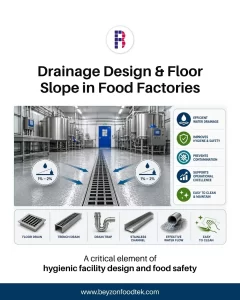
Cleanliness is at the core of food safety, yet it often receives less attention than documentation or process control. Auditors frequently find facilities with generic cleaning checklists that are not validated or do not align with actual production zones. In some cases, residues are visible on hard-to-clean surfaces, indicating superficial cleaning.
Such gaps invite microbial growth, especially in high-moisture environments like dairy or ready-to-eat food units. GFSI standards also emphasize validation of cleaning processes, not just their execution.
Food plants should maintain a Master Sanitation Schedule, assign responsibilities to specific personnel, and use tools like ATP swabs or microbial testing to verify effectiveness. For automated equipment, cleaning-in-place (CIP) systems must be validated and monitored.
Poor Control of Critical Control Points (CCPs)

In a HACCP-based audit, failing to monitor or control CCPs can be a major setback. For instance, not recording the temperature of cooked products or failing to calibrate weighing equipment regularly is a serious non-conformity.
Such errors indicate that food safety is not embedded into routine operations. GFSI audits, in particular, expect CCPs to be not just defined, but also measured, documented, and verified with corrective actions when needed.
Every facility should have a detailed HACCP plan with clear CCP identification, real-time monitoring tools, and staff trained to take immediate action if deviations occur.
Reactive vs. Preventive Culture (Lack of CAPA)
Audit teams often probe how a facility responds to deviations or customer complaints. If there’s no system to identify the root cause or track corrective actions, it reflects a reactive rather than preventive mindset.
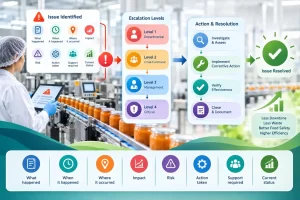
CAPA—Corrective and Preventive Action—is fundamental to continuous improvement. Whether it’s a rejected batch or a pest sighting, food businesses must investigate the “why” behind each issue, not just fix the symptoms.
Root cause analysis tools like the Fishbone Diagram or 5 Whys should be part of every QA manager’s toolkit. CAPA logs must be reviewed during management meetings, and action plans must be followed through to closure.
Internal Audits That Miss the Mark
Ironically, one of the most common issues in food safety audits is the poor execution of internal audits. These audits are meant to simulate third-party reviews and identify weak areas proactively—but many companies either skip them, perform them superficially, or fail to act on findings.
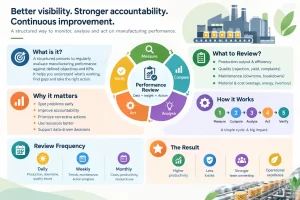
A robust internal audit program, conducted quarterly or at least bi-annually, helps maintain a state of readiness. Auditors should be trained, impartial, and well-versed in both FSSAI and GFSI expectations. The findings should feed directly into the CAPA system and inform decisions on training, procurement, or process changes.
Final Thoughts: Building a Culture of Food Safety
Successfully completing an audit is not merely a matter of compliance, it is about building a culture of food safety. From top management to shop floor workers, everyone must understand their role in maintaining hygiene, traceability, and compliance.
At Beyzon Foodtek, we support manufacturers not just with cutting-edge processing and packaging solutions, but also with insights and systems that make audits smoother and operations safer. Whether you’re preparing for your first FSSAI inspection or aiming to meet GFSI benchmarks like FSSC 22000 or BRCGS, having the right technology and processes in place is key.
FAQs
Q. How do I know if I’m ready for a food safety audit?
Conduct an internal audit using the latest FSSAI or GFSI checklist, and review past non-conformities if any. Readiness means confidence in your systems and documentation. Consult an enterprise like Beyzon Foodtek for meticulous guidance in the same.
Q. What happens if I fail an audit?
In most cases, you’re given a time frame to correct major non-conformities. Failing to act may result in license suspension (FSSAI) or loss of certification (GFSI).
Q. Can small and mid-size food businesses get GFSI certified?
Yes, many GFSI schemes now offer entry-level certifications or stepwise approaches tailored for smaller businesses.
Q. How frequently should internal audits be done?
Quarterly is ideal, especially if you’re exporting. At the very least, audits should be conducted twice a year.