Operations management is the engine room of any manufacturing organization. For food manufacturers in particular, efficient operations determine not only profitability but also compliance, safety, and customer trust. Yet many mid-sized and even large companies continue to struggle with operational inefficiencies.
In an industry where margins are often razor-thin, averaging 3–5% for mid-sized food manufacturers in India, even small missteps in operations can lead to significant financial and reputational losses. According to a PwC report, 69% of operations and supply chain officers say their tech investments have not fully delivered expected results.
This article outlines the five most common mistakes companies make in operations management and offers practical strategies to avoid them.
1. Focusing on Cost-Cutting, Not Value Creation
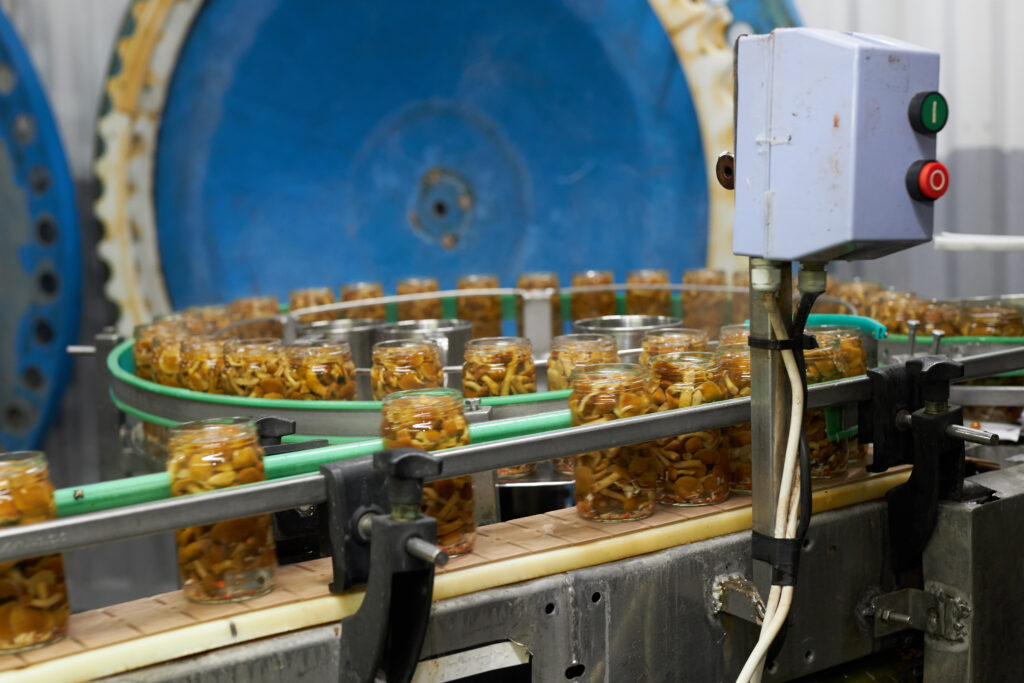
Many companies see operations purely as an area to cut costs rather than as a function that can actively drive value. This mindset leads to short-sighted decisions such as deferring preventive maintenance, reducing quality checks, or underinvesting in training.
The result is higher long-term costs due to equipment breakdowns, compliance failures, and workforce disengagement. A single day of packaging line downtime can cost a mid-sized plant ₹5–7 lakh, depending on capacity.
How to Avoid It:
- Shift perspective and view operations as a driver of strategic growth, not only as a cost center.
- Invest in continuous improvement programs like Lean Manufacturing or Six Sigma, which can improve efficiency by 15–25% within two years.
- Review operations KPIs not only for cost but also for productivity, safety, and sustainability.
2. Lack of Integration Between Departments
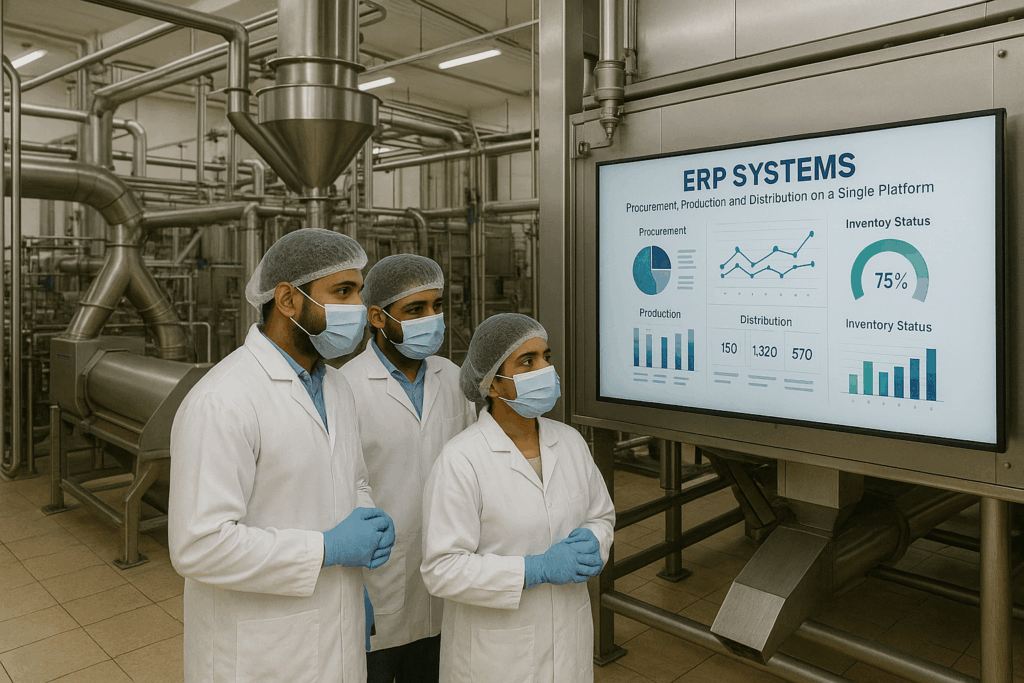
Organisational silos remain one of the most significant barriers to achieving smooth, efficient operations. Production, procurement, logistics, and quality teams often work in isolation, leading to duplication of efforts, miscommunication, and bottlenecks. For instance, procurement might source raw materials without visibility into actual demand forecasts, creating either stock-outs or excess inventory.
Such misalignments are costly. Studies show that poor cross-departmental communication can reduce productivity by up to 25%, while supply chain mismanagement alone can cause losses of ₹40–50 crore annually for mid-sized Indian manufacturers.
How to Avoid It:
- Implement ERP systems that connect procurement, production, and distribution on a single platform.
- Form cross-functional teams to collaborate on projects like capacity scaling or new product launches.
- Use digital dashboards so departments work on real-time data rather than outdated spreadsheets.
3. Ignoring Preventive Maintenance and Asset Management
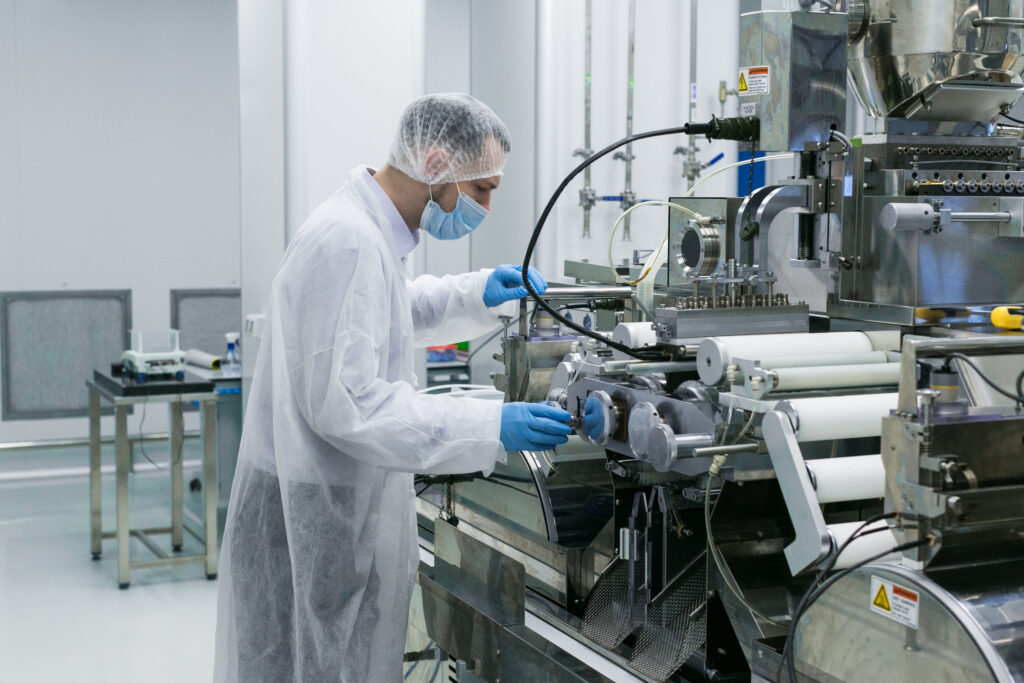
Another recurring issue is neglecting preventive maintenance in an effort to save short-term costs. Companies often wait until equipment fails, leading to expensive emergency repairs and production stoppages.
In food manufacturing, unscheduled downtime can disrupt cold chain logistics or compromise hygiene, sometimes forcing product recalls. The cost of a single equipment failure in a mid-sized food plant can range from ₹20–30 lakh depending on the line affected.
How to Avoid It:
- Establish a preventive maintenance schedule using IoT sensors and predictive analytics to track machine health.
- Allocate at least 3–5% of annual operating budgets to preventive maintenance.
- Train maintenance teams in root-cause analysis to reduce repeated breakdowns.
4. Neglecting Workforce Engagement and Skill Development

Human capital remains one of the most under-optimized resources in operations management. Many companies fail to invest adequately in workforce training, upskilling, and engagement. This leads to higher error rates and reduced productivity.
According to the Confederation of Indian Industry (CII), Indian manufacturing firms lose nearly ₹10,000 crore annually due to workforce disengagement and lack of training. Replacing an experienced worker can cost up to ₹15–20 lakh when recruitment, training, and productivity losses are included.
How to Avoid It:
- Conduct regular training sessions on food safety, lean practices, and digital tools.
- Link KPIs to both individual and team performance to foster accountability.
- Create engagement initiatives such as recognition systems, safe work environments, and defined career pathways.
5.Failure to Embrace Digitalization and Data-Driven Decisions

Many mid-sized manufacturers still rely on manual systems or outdated spreadsheets to manage complex operations. This slows decision-making and increases the risk of blind spots.
For example, without data-driven demand forecasting, companies may overproduce during low-demand cycles, resulting in wastage. In India, food wastage due to operational inefficiencies is estimated at ₹92,000 crore annually, according to the Ministry of Food Processing Industries.
How to Avoid It:
- Adopt Manufacturing Execution Systems (MES), IoT-enabled monitoring, and advanced analytics.
- Use predictive algorithms to anticipate demand, reduce waste, and optimize capacity.
- Benchmark digital maturity regularly to remain competitive with industry peers.
Other Common Pitfalls
Beyond these five, companies often overlook sustainability in resource use, ignore compliance with Health, Safety, and Environment (HSE) standards, or underestimate the importance of supply chain resilience. Each of these issues connects to the central theme: operations must be treated as a strategic priority, not a back-office function.
Conclusion
Effective operations management is not about perfection but about consistent discipline, foresight, and adaptability. The most common mistakes—viewing operations as a cost center, ignoring interdepartmental integration, neglecting preventive maintenance, overlooking workforce development, and resisting digitalization—can all be avoided through structured planning, investment, and leadership commitment.
For mid-sized food manufacturers, avoiding these pitfalls means not just reducing costs but also building a resilient, scalable, and future-ready enterprise.
Key Takeaway
Operations management mistakes are costly but preventable. By adopting preventive maintenance, digitalization, cross-functional collaboration, workforce training, and strategic integration, companies can transform operations into a competitive advantage.
At Beyzon Foodtek, we partner with food manufacturers to identify and eliminate these operational pitfalls. From automation and capacity balancing to digitalization and HSE compliance, we ensure operations deliver higher efficiency, lower costs, and a stronger competitive edge in the food industry.
Frequently Asked Questions (FAQ)
1. Why is operations management important for food manufacturers?
It ensures efficient use of resources while maintaining compliance with food safety standards, directly impacting profitability and consumer trust.
2. What is the most common operational mistake companies make?
Many treat operations as just a cost center rather than a value driver, leading to underinvestment in maintenance, training, and digital tools.
3. How can digitalization improve efficiency?
ERP, MES, and IoT systems provide real-time data, reducing downtime and waste. Mid-sized firms often see 15–20% efficiency gains within three years.
4. Why invest in workforce training?
Trained employees reduce errors, improve productivity and save companies significant costs on rehiring and retraining.
5. How can Beyzon Foodtek help manufacturers?
Beyzon offers automation, digitalization, capacity balancing, and HSE solutions to streamline operations, reduce costs, and ensure sustainable growth.