Challenges Faced by FG Warehouses in the Food Sector are explored in this new blog by Beyzon Foodtek Pvt. Ltd., read below.
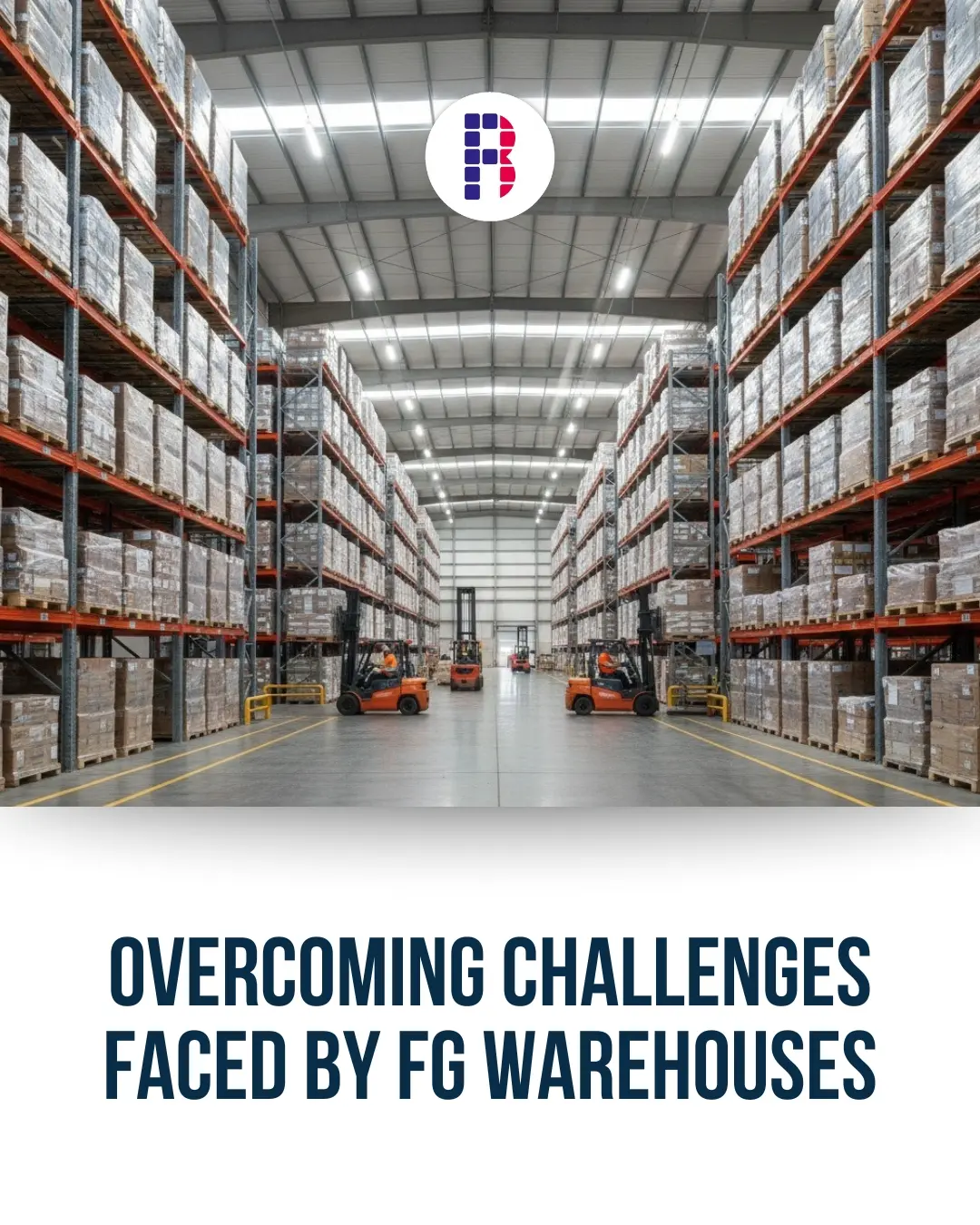
Finished goods warehouses play a critical but often underestimated role in food safety and supply chain reliability. While most food safety attention is directed toward processing and packaging, the period between production and dispatch introduces its own set of risks. Improper storage conditions, weak inventory discipline, documentation gaps, and delayed response to deviations can compromise product integrity even after safe manufacturing.
Food safety audits have become the backbone of credibility for modern food manufacturing. They are no longer routine compliance checks; they are deeper evaluations of how responsibly and consistently a facility protects consumer health. In a world where even a minor lapse can damage reputation and disrupt market access, audits serve as strategic indicators of operational maturity.
In the food sector, FG warehouses must protect product quality, maintain regulatory compliance, and support efficient distribution, often under pressure from fluctuating demand and tight dispatch timelines. As product portfolios expand and shelf life expectations tighten, the challenges faced by FG warehouses have become more complex and more consequential.
Key Challenges Faced by FG Warehouses in the Food Sector
Finished goods warehouses sit at the intersection of food safety, operations, and logistics. Any failure here directly impacts customer delivery, brand trust, and regulatory exposure. Unlike raw material storage, FG warehouses must manage ready-to-sell products, which means errors are less forgiving.
Regulatory frameworks such as FSSAI Schedule 4, ISO 22000, FSSC 22000, and customer audit standards increasingly scrutinise FG storage conditions, traceability, pest control, and dispatch discipline. Warehouses are no longer passive storage spaces. They are active control points in the food safety chain.
- Maintaining Food Safety and Hygiene Standards
Food safety is the primary concern in FG warehouses, as finished products are highly vulnerable to contamination from environmental, biological, or human sources. Inadequate cleaning practices, poor personal hygiene, pest activity, or cross-contamination between product categories can compromise product safety.
Food safety failures at the FG stage often result in product recalls, legal action, and brand damage, making hygiene management a non-negotiable requirement.
How to Overcome
- Develop and implement Good Manufacturing Practice (GMP)-based warehouse SOPs
- Establish defined cleaning and sanitation schedules
- Ensure effective pest control programs
- Train warehouse staff on food hygiene, personal cleanliness, and safe handling.
- Temperature and Environmental Control Challenges
Many food products are sensitive to environmental conditions such as temperature and humidity. Deviations from recommended storage conditions can accelerate microbial growth, cause physical deterioration, or reduce shelf life.
FG warehouses handling ambient, chilled, and frozen products face the challenge of maintaining consistent environmental control, especially during seasonal variations and power interruptions.
How to Overcome
- Categorize products based on storage requirements
- Use temperature-controlled zones and cold storage facilities
- Install automated temperature and humidity monitoring systems
- Maintain detailed environmental monitoring records and alarms
- Inventory Management and Shelf-Life Control
FG warehouses often handle a wide range of SKUs with varying shelf lives. Poor inventory visibility increases the risk of expired stock, excess inventory, and dispatch errors. Manual inventory systems struggle to ensure proper stock rotation and traceability.
Inadequate shelf-life management directly affects profitability and compliance.
How to Overcome
- Implement FIFO (First In First Out) and FEFO (First Expiry First Out) principles
- Digitize inventory tracking systems
- Track batch numbers, manufacturing dates, and expiry dates
- Conduct periodic stock aging analysis
- Inefficient Space Utilization and Warehouse Layout
Poorly designed FG warehouse layouts lead to excessive material movement, congestion, and inefficient picking and dispatch operations. Lack of defined storage zones often results in product mix-ups and damage.
As volumes increase, inefficient space utilization becomes a bottleneck for scalability.
How to Overcome
- Design warehouse layouts based on product flow and dispatch frequency
- Implement suitable racking systems for different product categories
- Clearly demarcate storage, staging, and dispatch areas
- Review layout periodically based on volume changes
- Regulatory Compliance and Documentation
FG warehouses in the food sector must comply with FSSAI regulations, customer audit requirements, and internal quality standards. Maintaining accurate records for storage conditions, stock movement, cleaning, and pest control is mandatory.
Documentation gaps are among the most common causes of non-compliance during audits.
How to Overcome
- Standardize documentation formats and record-keeping practices
- Maintain logs for inward/outward movement, temperature, and sanitation
- Conduct internal audits to identify compliance gaps
- Ensure readiness for regulatory and customer audits
- Handling Returns, Damaged Goods, and Product Recalls
Returned goods, transit damages, and recall situations pose significant risks if not managed systematically. Mixing rejected or recalled products with saleable stock can lead to serious compliance violations.
Effective recall management depends on strong traceability systems within the FG warehouse.
How to Overcome
- Establish clear SOPs for handling returns and damaged goods.
- Create designated quarantine and rejection areas
- Maintain batch-wise traceability and dispatch records
- Conduct mock recall exercises to test system effectiveness
- Workforce Skill Gaps and Training Challenges
FG warehouse operations rely heavily on manpower. Lack of awareness regarding food safety, improper handling practices, and high labor turnover often lead to operational errors.
Untrained staff can undermine even well-designed systems.
How to Overcome
- Conduct regular training on SOPs and food safety practices
- Define clear roles, responsibilities, and accountability
- Monitor adherence through supervision and audits
Role of Technology in Solving FG Warehouse Challenges
Technology plays a vital role in improving control, visibility, and efficiency in FG warehouse operations. Manual systems often result in data inaccuracies, delayed reporting, and limited traceability, which increase operational and compliance risks. The adoption of digital tools helps standardize processes and enables informed decision-making.
Warehouse Management Systems (WMS) support real-time inventory tracking, batch and expiry management, and FIFO/FEFO compliance. Barcode scanning and RFID systems reduce human error during inward, storage, and dispatch activities while improving product traceability.
Technology-driven warehouses achieve:
- Higher inventory accuracy and real-time stock visibility.
- Improved batch-wise traceability and recall preparedness
- Faster regulatory and customer audit compliance
- Reduced wastage, handling errors, and operational delays
Best Practices for Efficient FG Warehouse Management
- Integrate FG warehouse planning with production and dispatch schedules
- Implementation of FIFO and FEFO Systems
- Optimized Warehouse Layout and Space Utilization
- Use of Technology for Inventory and Traceability
- Monitoring of Storage Conditions
- Routine Inspections and Internal Audits
- Workforce Training and Skill Development
- Review performance indicators such as stock aging, damages, and dispatch accuracy
- Continuously improve processes based on data and audit findings
How Beyzon Foodtek Supports FG Warehouse Improvement
Beyzon Foodtek works with food manufacturers to strengthen FG warehouse operations through structured interventions. By assessing warehouse gaps, optimizing processes, and implementing technology, the consultancy ensures food safety, efficiency, and regulatory compliance
Key areas of support include:
- FG warehouse Gap assessments
- Warehouse layout and space optimization
- Inventory Management
- Warehouse Operations Optimization
- SOP development aligned with FSSAI and GMP
- Digital traceability and inventory management
- Suggest temperature and environmental monitoring systems
These interventions help manufacturers improve control, reduce losses, and maintain consistent compliance across the entire post-production phase.
Conclusion
Finished goods warehouses are no longer passive storage areas. They are active, high-risk control points that demand the same level of discipline as manufacturing and packaging operations. Temperature control, inventory accuracy, traceability, hygiene, and documentation all converge in this space.
By recognising warehouse-specific risks and addressing them through structured systems, digital monitoring, and workforce engagement, manufacturers can significantly reduce product losses and audit exposure. With the right roadmap and execution support, FG warehouses become enablers of food safety rather than vulnerabilities in the supply chain.
Frequently Asked Questions (FAQ)
1. Why are finished goods warehouses high-risk in food manufacturing?
Because storage and dispatch issues like temperature drift, damaged packs, and poor hygiene can compromise product safety after production.
2.How can warehouses maintain FIFO or FEFO consistently?
By combining clear pallet labelling and location discipline with WMS-based barcode or QR tracking that enforces rotation rules.
3. What is the fastest way to catch temperature excursions?
Continuous digital temperature and humidity monitoring with real-time alerts, supported by preventive maintenance of refrigeration systems.
4. What do auditors typically check in FG warehouses?
Storage conditions, inventory accuracy, regulatory compliance, pest control, hygiene, traceability, recall readiness, and proper record-keeping.