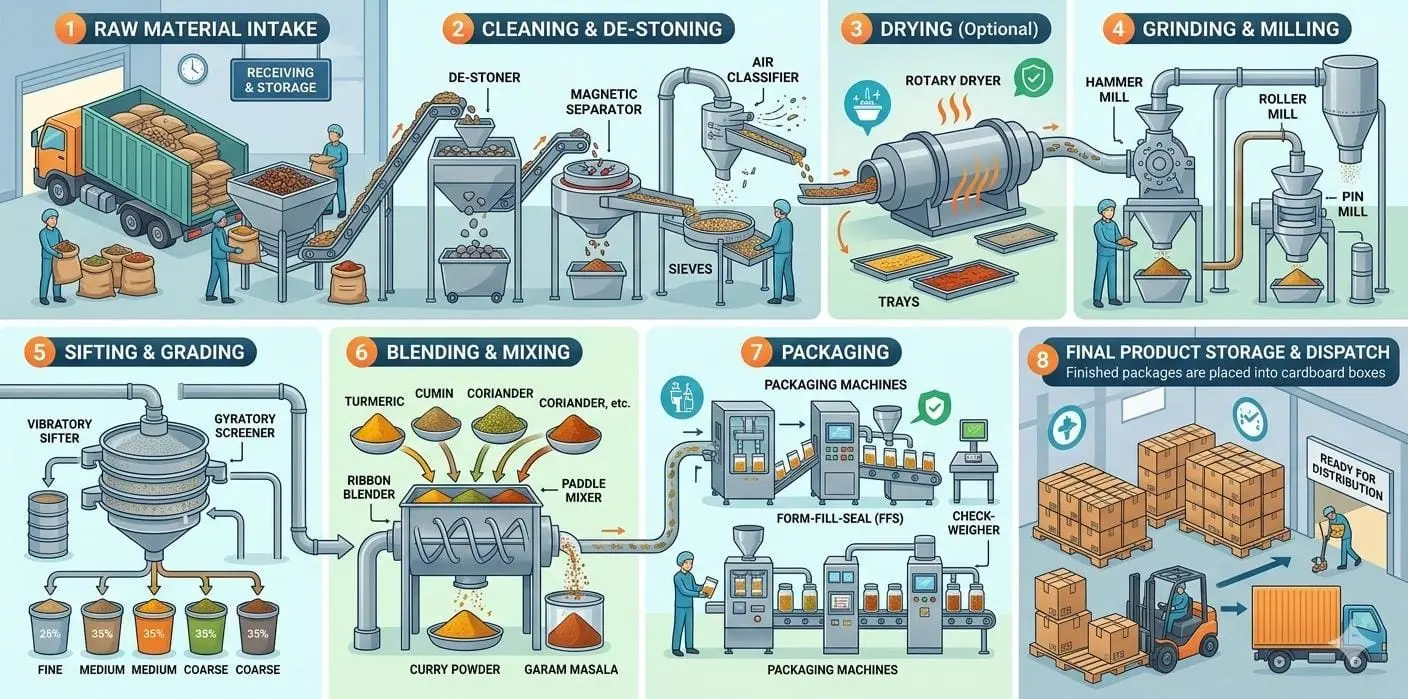
Spice processing plants convert raw agricultural materials into standardized powders and blends used across retail, food service and food manufacturing industries. Setting up these facilities requires careful planning of process flow, equipment selection, plant layout and food safety systems to ensure consistent product quality and efficient operations.
At Beyzon Foodtek Pvt. Ltd., spice processing projects are approached through an integrated manufacturing perspective that combines raw material handling, cleaning systems, grinding technologies, blending operations and packaging lines into a well-structured process setup. Since spices contain volatile oils responsible for aroma and flavour, processing conditions must be carefully controlled to prevent quality loss while maintaining hygienic production environments.
This article outlines the key stages involved in setting up a spice processing plant, from cleaning and grinding to blending and final packing.
Raw Material Handling and Storage
The first stage in spice processing begins with the reception and storage of raw materials. Whole spices sourced from suppliers or aggregators must be inspected for moisture, contamination and physical damage before being accepted into the production system.
At this stage, processing plants typically establish:
- Raw material sampling and quality inspection procedures
- Moisture and foreign matter testing
- Batch coding and traceability documentation
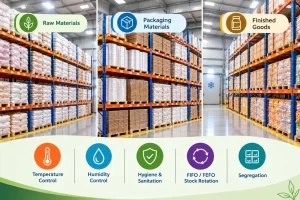
Storage areas must be designed to prevent exposure to humidity and pest infestation. Spices are often stored on pallets in well-ventilated warehouses with controlled environmental conditions.
Clear segregation between raw material storage, intermediate processing areas and finished goods zones is essential to maintain hygiene and traceability throughout the facility.
Cleaning and Foreign Matter Removal
Cleaning is one of the most critical operations in spice processing. Raw agricultural spices frequently contain various impurities that must be removed before grinding.
A typical cleaning line includes several stages of separation.
Pre-cleaning systems such as vibratory screens or rotary sifters remove large foreign materials including stems, leaves and oversized debris.
Destoners are used to remove stones and heavy particles that may be similar in size to the spice seeds but have higher density.
Air classification systems eliminate lighter impurities such as husk, dust and broken fragments using controlled airflow.
Magnetic separators are installed to capture metal particles that may enter the product stream during harvesting or transportation.
A well-designed cleaning system not only improves product safety but also protects grinding equipment from damage and excessive wear.
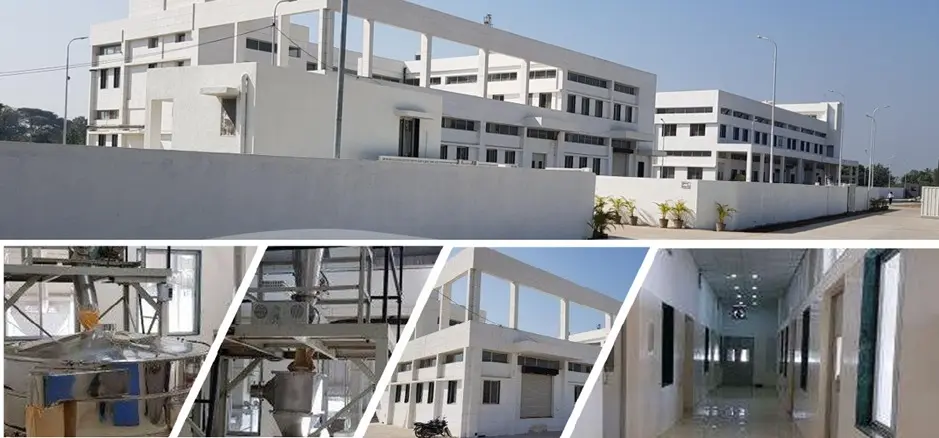
In the spices processing plant developed for Nima Enterprises in Gujarat (see case study at the end), Beyzon Foodtek supported the design and installation of spice cleaning, grading and grinding systems along with packaging operations. The facility was designed to comply with international food safety standards while ensuring reliable removal of impurities before grinding operations.
Moisture Management and Drying
Moisture content significantly influences spice processing efficiency and product stability. High moisture levels can result in microbial growth, reduced shelf life and clogging during grinding operations.
Depending on the raw material condition, drying may be required to bring the moisture content within the optimal range for grinding.
Common drying systems used in spice processing plants include:
- Tray dryers
- Continuous belt dryers
- Fluidised bed dryers
Drying operations must be carefully controlled to avoid degradation of volatile aromatic compounds. Uniform airflow and moderate temperature conditions help preserve the natural colour, flavour and aroma of spices.
Moisture monitoring systems are typically integrated to ensure consistent process control before the material enters the grinding stage.
Grinding and Pulverising Systems
Grinding converts whole spices into powders with specific particle size distribution. The main challenge in this stage is to achieve uniform grinding while minimising heat generation.
Excessive grinding temperatures can result in loss of volatile oils, which directly affects flavour quality.
Different grinding technologies are used depending on the spice variety and required fineness.
Hammer mills are commonly used for medium grinding applications and are suitable for spices such as coriander and cumin.
Pin mills are used when finer particle size distribution is required.
For heat-sensitive spices such as chilli or turmeric, cryogenic grinding systems may be used. These systems employ liquid nitrogen to maintain low grinding temperatures and protect volatile compounds.
Dust collection systems, cyclones and filters are incorporated into grinding lines to capture airborne powder and maintain hygienic working conditions.
Sieving and Particle Size Control
Following grinding, spice powders are passed through sieving equipment to achieve the desired particle size distribution.
Vibratory sieves or rotary sifters separate fine powder from oversized particles that require reprocessing. This step ensures product consistency and improves blending efficiency in subsequent stages.
Particle size standardisation is particularly important for spice blends and seasoning mixes where uniform distribution of ingredients influences flavour balance.
Automated sieving systems also reduce manual handling and improve process efficiency.
Blending and Formulation Control
Many spice processing facilities produce both single spice powders and blended seasoning formulations. Blending systems ensure uniform distribution of ingredients according to a defined recipe.
Industrial spice blending is typically carried out using equipment such as:
- Ribbon blenders
- Paddle mixers
- Double cone mixers
Accurate ingredient dosing is critical during this stage. Automated weighing and batching systems help maintain recipe accuracy and improve traceability.
Proper cleaning protocols between batches are necessary to prevent cross-contamination between different spice formulations.
Packaging and Product Protection
Packaging plays an important role in preserving the quality and shelf life of spice products. Spices are highly sensitive to moisture, oxygen and light exposure.
Processing plants therefore use packaging materials with effective barrier properties.
Typical packaging formats include:
- Laminated pouches or sachets for retail markets
- PET containers or jars
- Bulk bags for food manufacturers
Packaging lines often include form-fill-seal machines, auger fillers for powder dosing and check weighers for pack verification.
Metal detection and quality inspection systems are also installed before final product release to ensure food safety compliance.
Hygienic Design and Dust Control
Spice powders can generate significant airborne dust during grinding and material handling. Without proper control systems, dust accumulation can affect hygiene and worker safety.
Processing facilities therefore incorporate:
- Dust extraction and filtration systems
- Enclosed grinding and conveying equipment
- Adequate ventilation in processing areas
Plant layout must ensure logical product flow from raw material reception to finished goods dispatch while preventing cross-contamination between different processing stages.
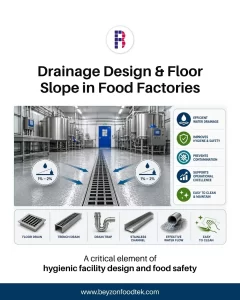
Sanitation-friendly surfaces, controlled personnel movement and appropriate drainage systems are also essential components of hygienic plant design.
Case Study: Export-Oriented Spice Processing Facility
Project Overview
Client: Nima Enterprises Pvt. Ltd., Baroda, Gujarat
Project Type: Spice Processing Plant Setup
Processing Type: Cleaning, Grading, Grinding & Packing
Capacity: 500 kg per hour
Project Completion: 2018
The project involved designing and establishing a complete export-oriented spices processing unit capable of producing both single ingredient spices and blended spice products.
The facility was designed to meet international food safety and hygiene standards, enabling the company to supply spices to global markets.
Scope of Work
The project involved end-to-end factory setup, including plant layout design, process line development, machinery selection, and installation.
Key work executed:
- Complete factory design and hygienic layout planning
- Process line design for spice cleaning, grading, grinding, blending, and packing
- Selection and installation of spice cleaning, grinding, and packing machines
- MEP design (mechanical, electrical, and plumbing systems)
- Implementation of GMP and GHP compliant infrastructure
Key Features
- Export-oriented spice processing unit
- Capacity: 500 kg per hour
- Processing of single spices and blended spices
- Designed as a 100% export-compliant facility
- Infrastructure aligned with international food safety standards
Role of Process Engineering in Spice Processing Plants
Establishing a successful spice processing plant requires coordination between process engineering, equipment selection, utilities planning and food safety management.
Consulting partners such as Beyzon Foodtek Pvt. Ltd. support food manufacturers by providing technical guidance across areas such as:
- Process flow design for spice processing lines
- Master planning of manufacturing facilities
- Mechanisation and automation of food processing operations
- Food safety system implementation
- Capacity balancing and process line optimisation
The team at Beyzon Foodtek Pvt. Ltd. brings decades of experience in managing food manufacturing operations and executing both brownfield and greenfield projects. The company works with food businesses to adopt best manufacturing practices and implement efficient process technologies that improve productivity and product quality.
Conclusion
Spice processing plants must be designed to handle raw agricultural materials while maintaining strict control over hygiene, flavour preservation and product consistency.
A well-planned process line integrates cleaning, drying, grinding, sieving, blending and packaging operations in a structured sequence. Appropriate equipment selection, dust control systems and food safety practices ensure reliable manufacturing performance.
With proper process engineering and plant design, spice processing facilities can deliver consistent product quality while meeting the requirements of retail, food service and industrial food markets.
FAQs
1. What are the main stages in a spice processing plant?
Spice processing typically includes raw material cleaning, drying if required, grinding or pulverising, sieving, blending and final packaging.
2. Why is cleaning important in spice processing?
Cleaning removes impurities such as dust, stones, stems and metal fragments, which protects processing equipment and ensures food safety.
3. What grinding technologies are used for spices?
Common grinding technologies include hammer mills, pin mills and cryogenic grinding systems for heat-sensitive spices.
4. Why is particle size control important in spice powders?
Consistent particle size helps maintain uniform flavour distribution, improves product appearance and ensures stable packaging performance.
5. What packaging formats are commonly used for spices?
Spices are typically packed in laminated pouches, sachets, jars or bulk bags depending on whether the product is intended for retail or industrial use.